Complex Organic Molecules in the ISM:
From Molecular Clouds to Protoplanetary Disks
Complex organic molecules (COMs), defined as molecular species containing more than five atoms, including carbon bonded to hydrogen, are widely detected across various astrophysical environments, from cold molecular clouds to planet-forming disks and the Solar System. The surprisingly high degree of molecular complexity in space is a product of rich gas-phase and dust surface chemistry, shaped by the evolution of cosmic environments. By studying COMs in space, astronomers aim to better understand their rich, often unique chemistry (from Earth’s perspective) and their link to the prebiotic life-building blocks.
Astronomical Detections of COMs
Laboratory Experiments on COM Formation
Computational Modelling of Astrochemical Networks
Exogenous Hypothesis of the Origin of Life
Joint Activities
Review paper "Complex organic molecules from the interstellar medium to the Solar System. Astrochemical connections", submitted to Astrobiology.
ANR-DFG research project “Diffusion of Reactants on Dust Surfaces. A Door to Understanding Surface Chemistry in Space”, 2026 – 2028.
Global Astrochemistry Lecture Series (GALS): “Astrochemistry: From the Big Bang to Life”
> More on the lecture series: https://www.astrochemistry.de/online-course/
Proposal for a Faraday Discussion “Complex organic molecules: from the ISM to the Solar System and beyond”, submitted
Working Group Lead | Alexey Potapov
Dr. habil., Heisenberg position, Institute of Geosciences, Friedrich Schiller University Jena, Germany.
Contact: alexey.potapov(@)uni-jena.de
Research interests: physics and chemistry of interstellar clouds, protoplanetary disks and (exo)planet atmospheres; origin of life; catalytic formation of molecules on cosmic dust grains; formation, evolution and properties of cosmic dust grains; exogenous synthesis of biomolecular precursors; development of experimental setups and approaches for astrochemistry studies.
Research methods: laboratory experiments and observational radio and infrared astronomy.
Daniele Fulvio
Senior Researcher, Istituto Nazionale di Astrofisica (INAF), INAF-OACT, Catania, Italy.
Research interests: experimental physics and astrophysics, focused on the laboratory study of materials of astrochemical and astrobiological interest and comparison with observational data. He performs experiments aimed to simulate some of the physical-chemical processes that occur in several space environments, such as: (i) photon/ion irradiation of astrophysical “ices”, “dust grains”, meteorites, and astrophysical “rocks”; (ii) chemical reactions on dust grains and at the interface ice/grains; (iii) temperature-related diffusion and desorption experiments on species of astrochemical and astrobiological interest; and (iv) detection of molecules in space and study of their formation pathways, abundances, and spectral features.
Selcuk Topal
Associate Professor of Astrophysics, Department of Physics, Van Yuzuncu Yil University, Turkey and a visiting academic, Department of Physics, University of Oxford, UK.
Research Interests: Focus on the observation and analysis of molecular gas in external galaxies, with particular emphasis on the interpretation of multi-wavelength datasets. Combines high-resolution millimetre-wave observations with optical and infrared data to investigate the physical properties of molecular gas clouds, gas kinematics, and star formation processes, as well as their broader implications for galaxy evolution.
Research Methods: Observational mm and radio astronomy.
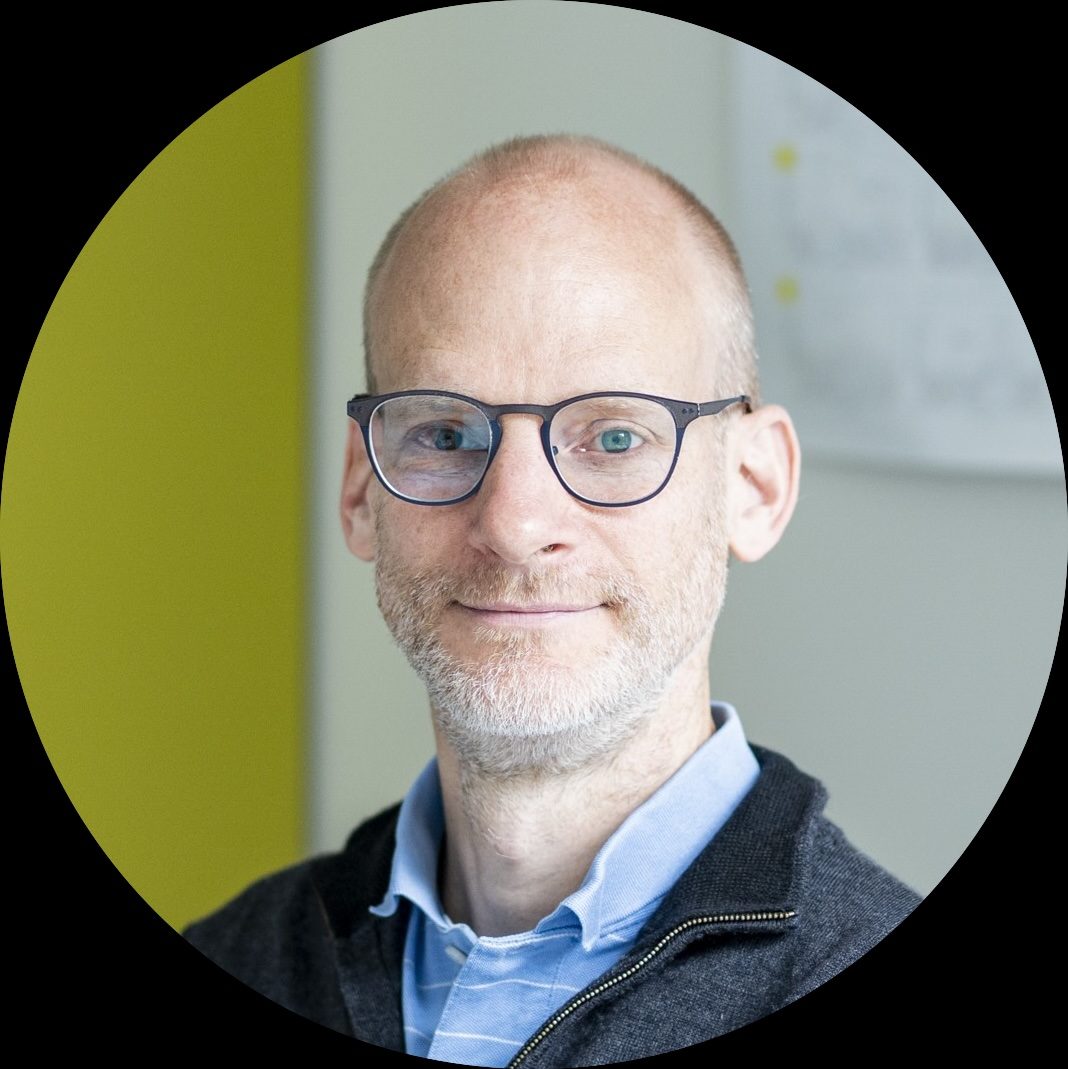
Martin Rubin
Senior Lecturer, Space Research & Planetary Sciences, Physics Institute, University of Bern, Switzerland
Research interests: Composition and origin of cometary ices, delivery of cometary material to the inner solar system, gas and dust dynamics in cometary comae, plasma interaction of comets with the solar wind, in situ mass spectrometry.
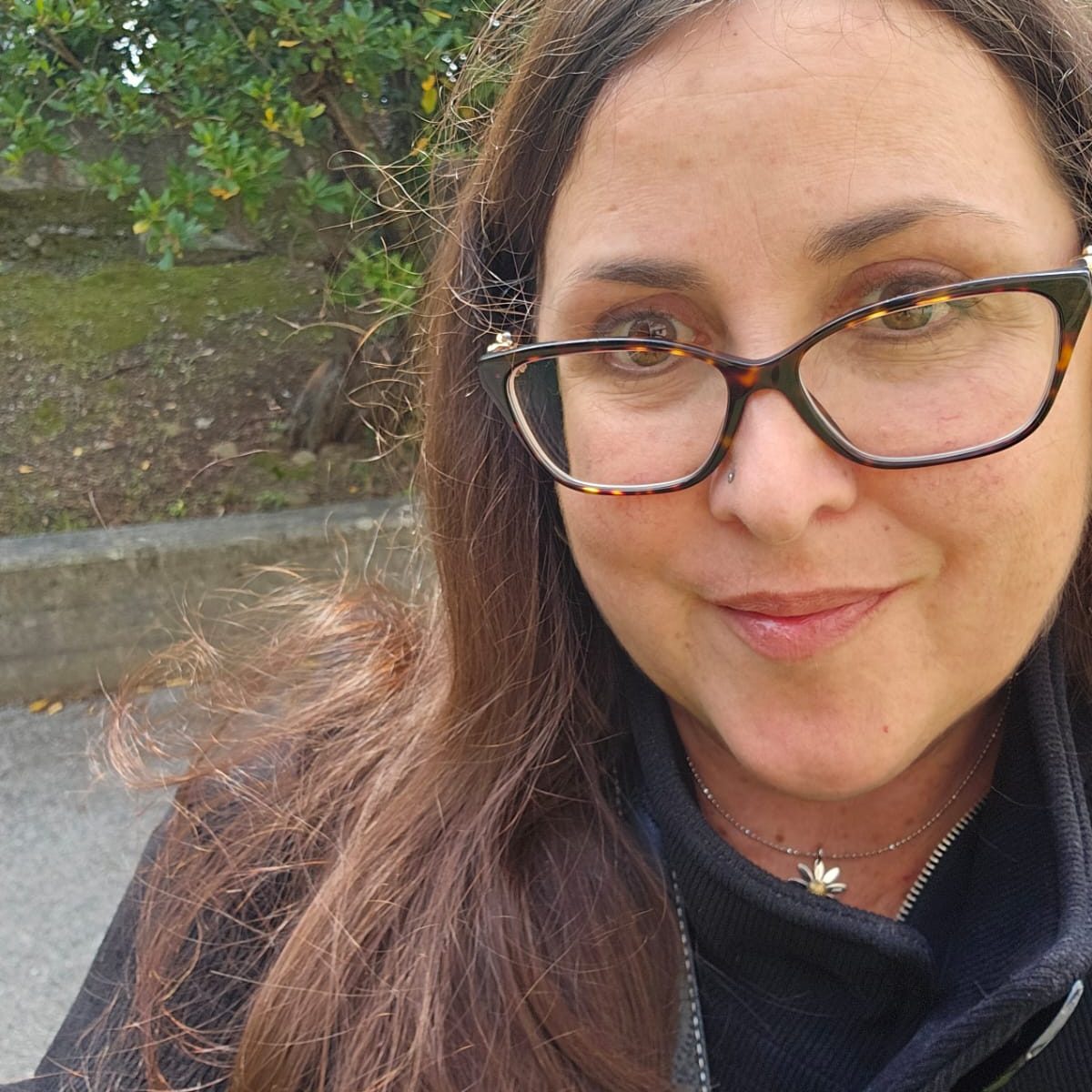
Francesca Perrotta
Researcher in SISSA, Trieste, Italy.
Research interests: molecular astrophysics; physics of the Interstellar Medium; Spectroscopy; Astrochemistry; Radiative processes; Galaxy formation and evolution.
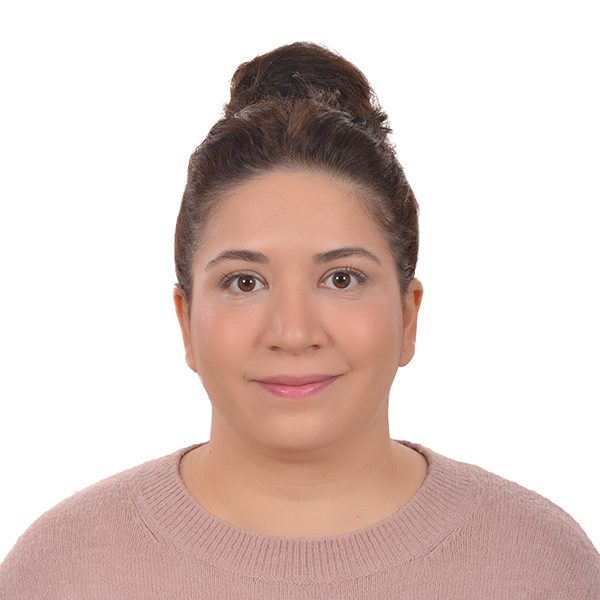
Cisem Altunayar-Unsalan
Associate Professor, Ege University, Graduate School of Natural and Applied Sciences, Izmir, Türkiye
Martin McCoustra
ScotCHEM Professor of Chemical Physics, Institute of Chemical Sciences, Heriot-Watt University, Scotland.
Research interests: My primary interests are in the development and application of surface science methods in the exploration of the physics and chemistry of molecules on dust grain and ice surfaces. This includes aspects of adsorption, desorption, thermal and non-thermal (photon and low energy electron) processing and astrocatalysis.
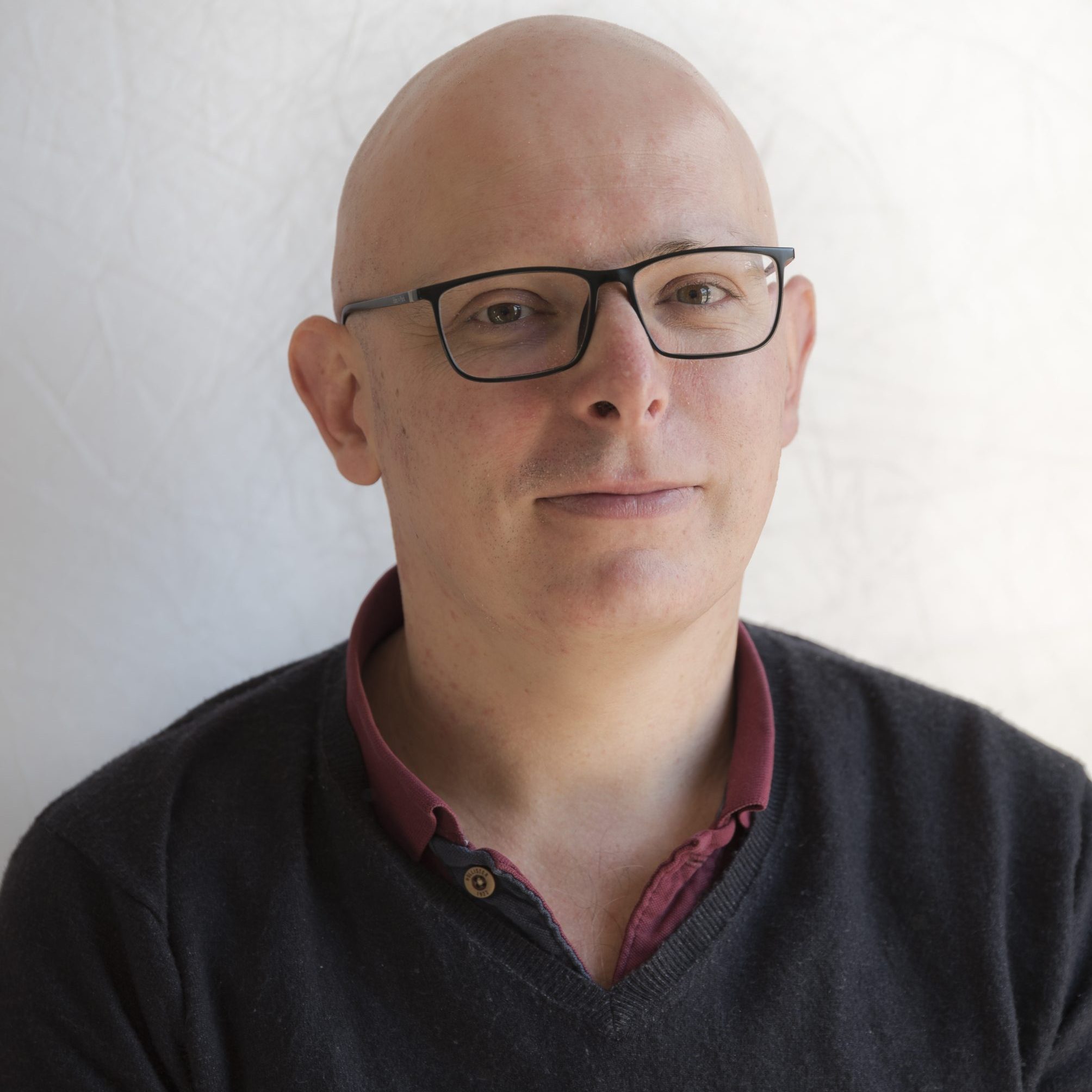
Grégoire Danger
University Professor in the ASTRO team at the Laboratory of Physics of Ionic and Molecular Interactions, Aix-Marseille University/CNRS UMR 7345
My research program focuses on the evolution of organic matter, from its formation within dense molecular clouds and its evolution during the formation of a planetary system such as the Solar System, to the conditions that allowed the emergence of biochemical systems on Earth. While the formation of organic matter can be considered universal, the presence of living systems appears to be much more limited. The chemical evolution that led to the emergence of such particular systems has, a priori, occurred only on planet Earth. The objective of my research is therefore to experimentally study the evolution of organic matter in different astrophysical environments and to determine how this evolution can provide clues about the chemical processes likely to have given rise to biochemical systems.
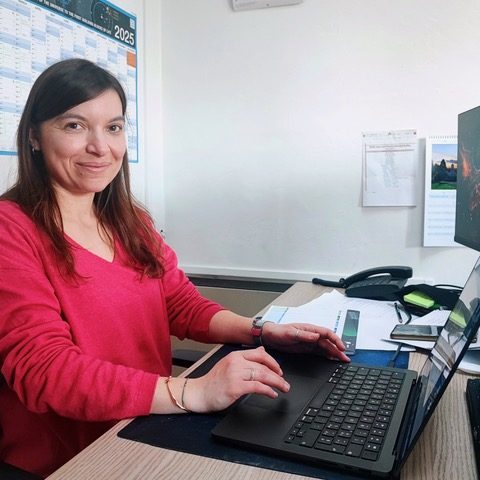
Eleonora Bianchi
Istituto Nazionale di Astrofisica (INAF), Firenze, Italy
Research interests: star formation and astrochemistry; chemical complexity in Sun-like protostars and protoplanetary disks.
Research methods: radio and (sub-)mm observations, astrochemical modelling, machine learning.

Riccardo Urso
Staff researcher, Istituto Nazionale di Astrofisica INAF-Osservatorio Astrofisico di Catania, Italy
Research interests and methods: I am interested in astrochemistry and astrobiology and I study how matter formed at the dawn of the Solar System, with a particular focus on the organic compounds in asteroids, trans-neptunian objects, comets, and star-forming regions. I also look for evidence of organic matter, including biosignatures on planetary surfaces and moons, and study how long they could survive under the harsh conditions of space. I run experiments to interpret astronomical observations of young star forming regions and space mission data of small bodies, and I analyse meteorites and simulants to shed light on the formation and alteration of matter in space.
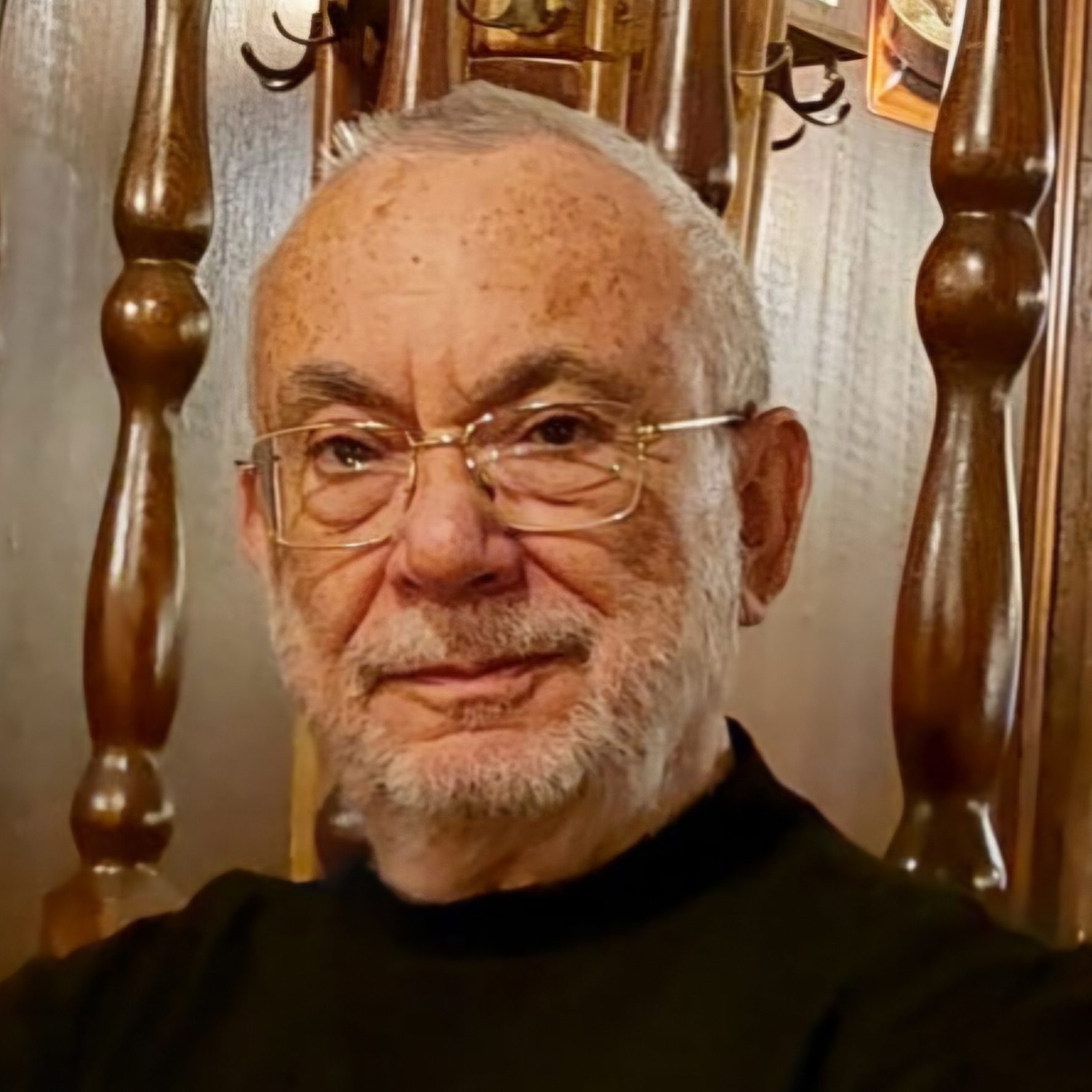
David Avnir
Prof. (Em.), Institute of Chemistry and Center for Nanoscience and Nanotechnology, The Hebrew University of Jerusalem, Israel
Research interests and methods: geochemistry, astrochemistry, materials science, chirality and symmetry in experiments and theory.
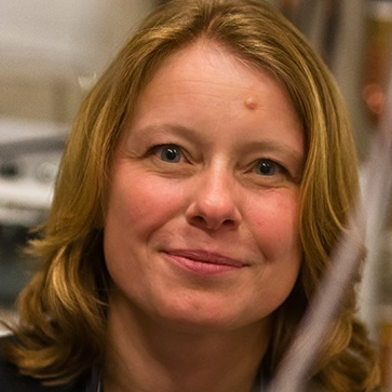
Sandra Brünken
Associate Professor, HFML-FELIX, Radboud University, Nijmegen, The Netherlands
Laboratory astrophysics, astrochemistry, molecular spectroscopy, interstellar chemistry, ion-molecule reactions, reaction kinetics, ion trapping, complex organic molecules and PAHs
Dima Semenov
Dr., Senior Post-Doc, Institute for Theoretical Astrophysics, University of Heidelberg, Germany
Research interests: I'm a theoretical astrophysicist and, day by day, I sit in front of my computer, trying to unravel the mysteries of planet formation, chemistry in space, and the origin of life. Major questions which I try to answer, using both sophisticated theoretical calculations and high-quality observations at radio frequencies are 1) processes leading to the birth and death of molecules in a protosolar nebula at the verge of planet formation, 2) analysis and interpretation of molecular emission lines that we see, and 3) predictions of what we may learn about planet-forming disks with powerful observational facilities, such as Atacama Large Millimeter Array, NOEMA interferometer, and James Webb Space Telescope. To perform these complex tasks, I had to develop strong analytical, programming, and project management skills, as well as my teaching and mentoring expertise to train, teach, and work with the next generation of researchers.
Ozan Unsalan
Ege University, Faculty of Science Department of Physics, Izmir, Türkiye
Research interests: Planetary materials science; meteorite mineralogy and cosmochemistry; Raman and FTIR spectroscopy; SEM–EDS and thermal analysis; microstructural and physicochemical characterization; lunar and planetary real and analog materials; biomaterials and membrane biophysics (DPPC systems); computational chemistry (DFT); molecular docking and QSAR; structure–property relationships; cultural heritage diagnostics and conservation science.
Andrea Lapi
Full Professor of Astrophysics and Cosmology at SISSA (Trieste, Italy)
Research interests: Galaxy Formation and Evolution, Physical Cosmology, Dark Matter and Gravity, Data Science, Gravitational Waves, Galaxy Clusters.
Wolf Geppert
Full Professor, Stockholm University, Sweden
Research interests: physics and chemistry of interstellar clouds, protoplanetary disks and (exo)planet atmospheres; origin of life; extreme life in volcanic environments, life in lava caves.
Research methods: laboratory experiments, modelling, ab initio calculations and observational radio and infrared astronomy.
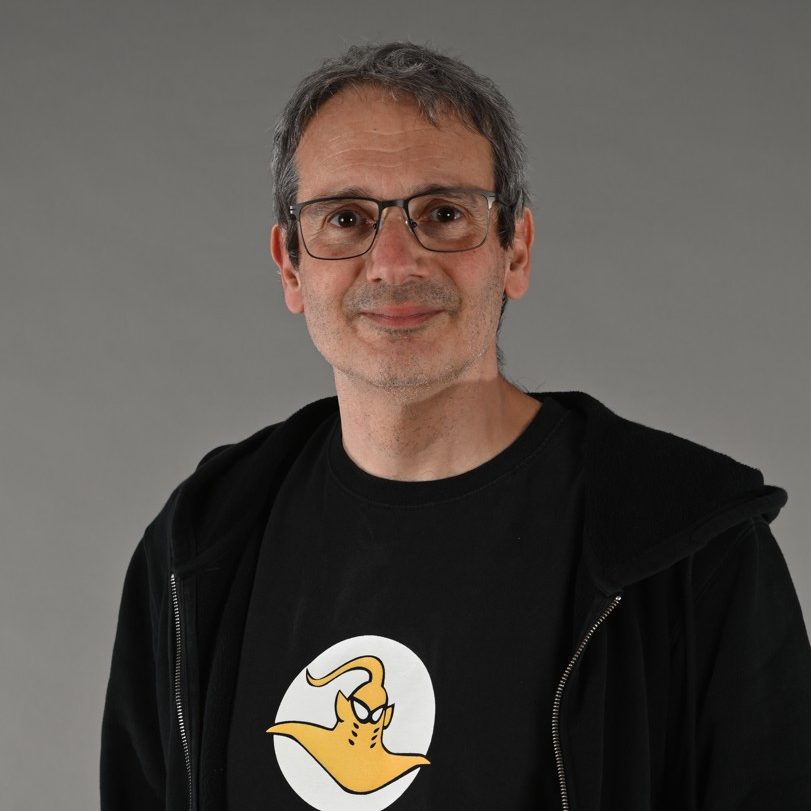
Hervé Cottin
Professor at Université Paris Est-Créteil (UPEC) and Laboratoire Interuniversitaire des Systèmes Atmosphériques (LISA), France
My research focuses primarily on the origin and evolution of cometary organic matter, utilizing laboratory experiments, Earth-orbiting missions, and the interpretation of in-situ or remote instrumental measurements. I am also interested in the contribution of small Solar System bodies to the origin of life on Earth—and potentially elsewhere.
Recent Published Works
Potapov A., Pollok K., Langenhorst F., McCoustra M., Garrod R., “Cosmic dust as a prerequisite for the formation of complex organic molecules in space?”, The Astrophysical Journal, 2025, 993, 49, DOI: https://doi.org/10.3847/1538-4357/ae08ae
Topal, S., 2024, "From stellar nurseries to old stellar populations: a multiwavelength case of NGC 1055", Monthly Notices of the Royal Astronomical Society, Volume 531, Issue 3, July 2024, Pages 3103–3117, DOI: https://doi.org/10.1093/mnras/stae1330