Schedule
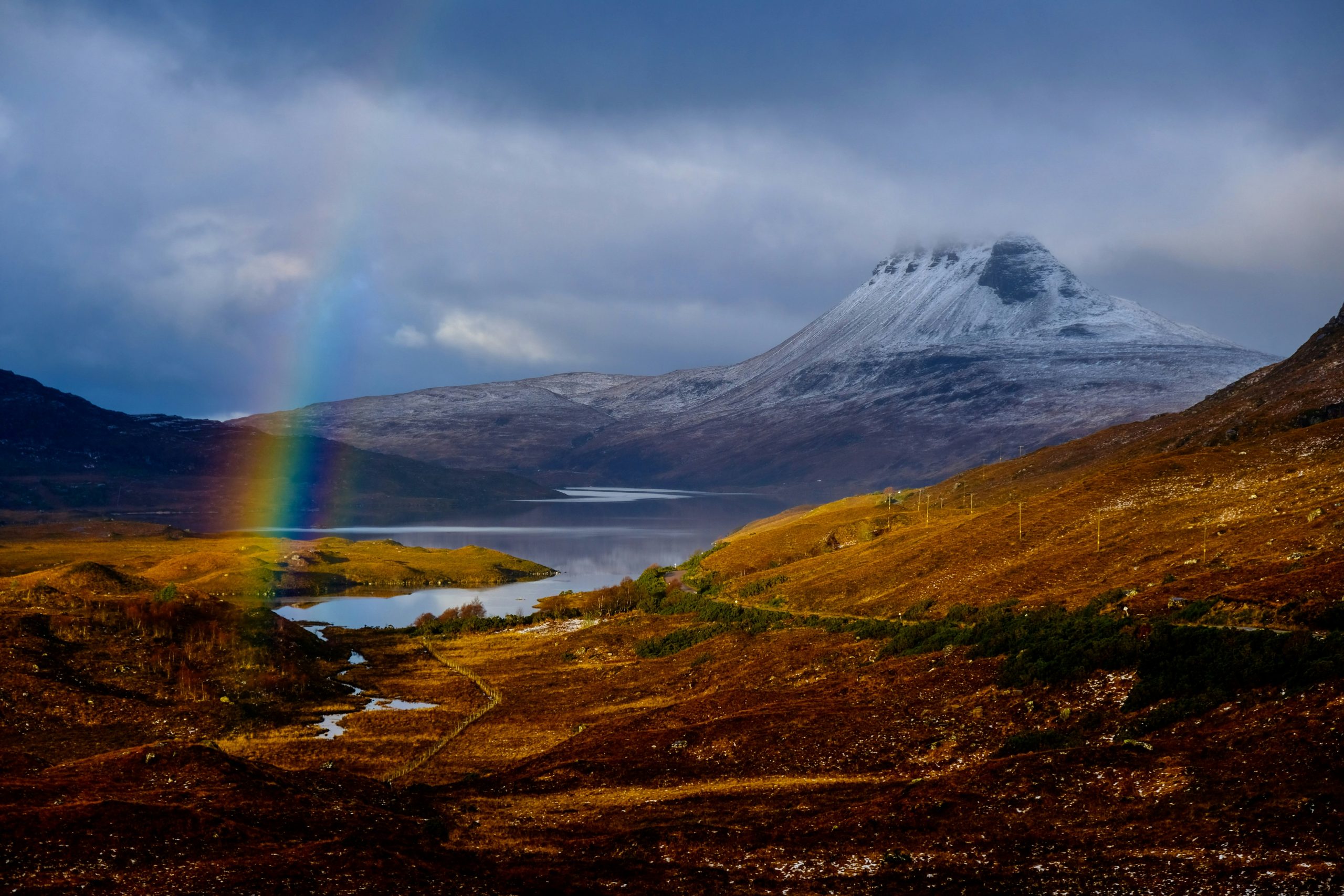
Please note that the programme starts 3rd June in the morning and ends on 13th in the evening. Accommodation is provided from June 2nd evening until June 14th in the morning. The first 4 days are devoted to lectures about the scientific background. Then we will go on an excursion to the northwesternmost parts of Scotland for the next 6 days visiting geological locations and performing exercises, including Raman spectroscopy, X-ray fluorescence and reflection spectroscopy. On the day there will be time for write-up and presenting the results for exercises.
Poster session
A poster session will be held on 3rd June in the evening. Posters should be max DIN A0 in portrait format (119 cm height and 83 cm width).
Lectures
Setting the stage: Evolution of early Earth
- Introduction
- Evolution of planetary systems and rocky planets
- Early geological history of Earth
Methods for detection of early life
- Geological evidence for early life
- Chemical and isotopical methods
- Problems and pitfalls of the different methods)
- Traces of early life in Scotland
- Introduction into exercises
Early evolution of life
- Conditions during the early evolution of life
- Early biochemical evolution
- Formation of first cells and LUCA
- Microbial communities and their dependence on biotic and abiotic parameters
- Co-evolution of Earth’s biosphere, geosphere and atmosphere
- The Cambrian explosion
Traces of early life
- Geological traces of early life
- Chemical traces of early life
- Possible approaches to detection of early or microbiolife on other
Confirmed Lecturers
Alexander Brasier
University of Aberdeen, UK
Johanna Marin Carbonne
Universiy of Lausanne, Switzerland
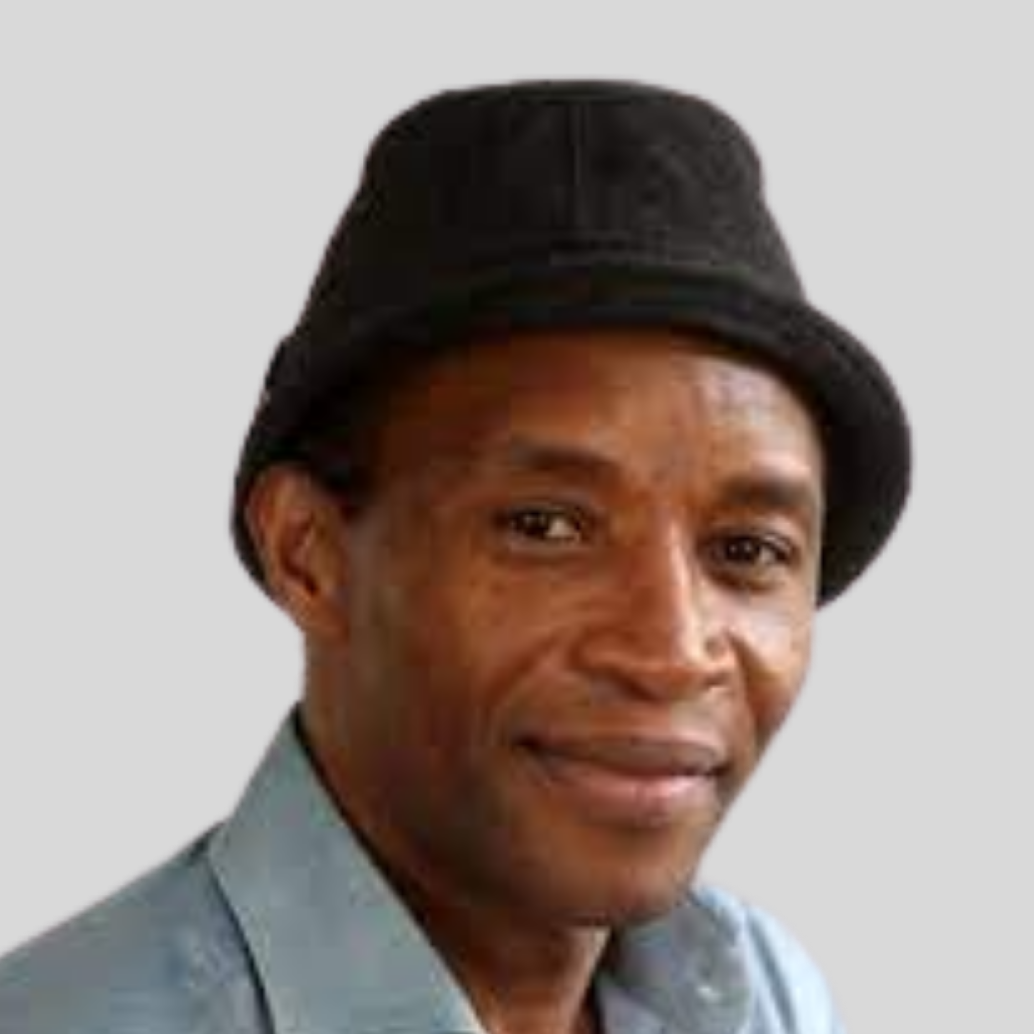
Ernest Chi-Fru
Cardiff University, UK
Stuart Harrison
UCL, UK
Sean McMahon
University of Edinburgh, UK
Maria Gabriela Mangano
Saskatchewan, Canada
Anna Neubeck
Uppsala University, Sweden
Excursions