Project Teams
The EAI has 6 Project Teams to work on a diversity of astrobiology-related topics. Project Teams work on special, focused research questions and projects. Learn more about our Project Teams below:
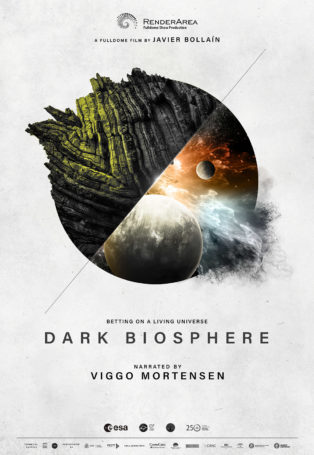
Astrobiology and Art
The team focuses on the intersection of astrobiology and art, and the ways in which the two can combine to showcase the great work in the astrobiology field to the wider community through art.
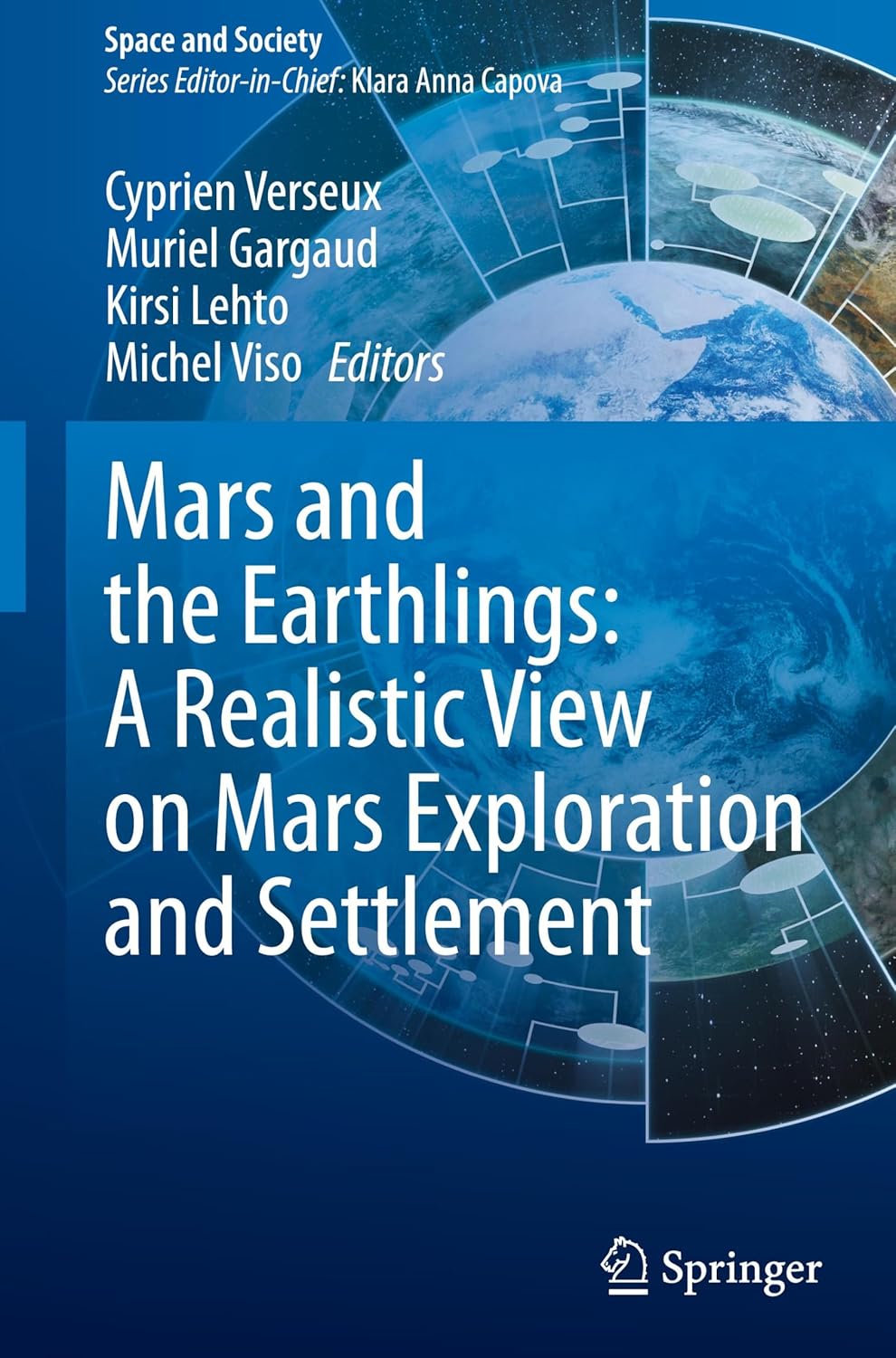

MATE: Mars and the Earthlings
The first outcome of this Project Team was a book (Mars and the Earthlings: A realistic view on Mars exploration and settlement, Springer, 2025) providing a European perspective on Mars missions, from near-term robotic missions all the way to large-scale settlements and even terraforming. It provides researchers with an objective review of the field, the policy makers with a reference to make informed decisions, and the general public with a tool to form educated opinions.
A summary of the main ideas, intended for decision-makes, was released a few months later (Can we, and should we, go to Mars? A note for decision-makers) and is currently being translated in various European languages.
Impacts and their role in the evolution of Planets, Moons, and Life
The team will provide an interdisciplinary forum of scientists from different backgrounds. It will also explore the potential of impacts as subjects for Science Training, Education and Outreach.
Mars Sample Return
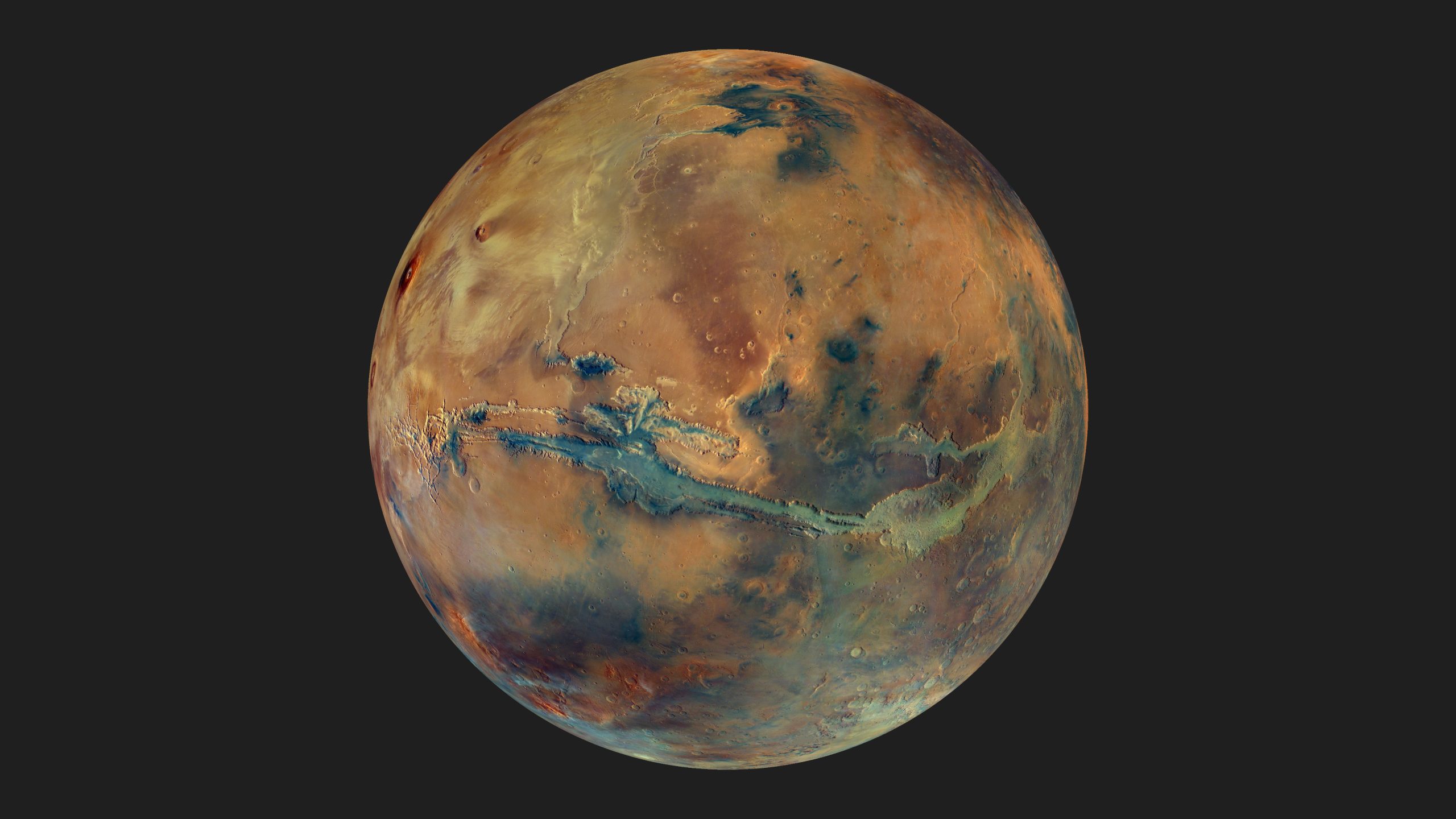
The MSR-PT aims to support the preparation and realization of the Mars Sample Return (MSR) initiative, focusing on the European contribution for astrobiology aspects, and also working concurrently with related international efforts, mainly the activities of ESA and NASA. This project team will support the scientific agenda of MSR by direct research activities (providing expertise in astrobiological disciplines indispensable for MSR, such as microbiology, paleobiology, mineralogy, geology, geochemistry, planetology, chemistry, planetary protection, philosophy etc.). The project team will initiate collaborations, which will widen participation using the interdisciplinary links provided the EAI between their members.
Protoplanetary disks and their physical and chemical processes
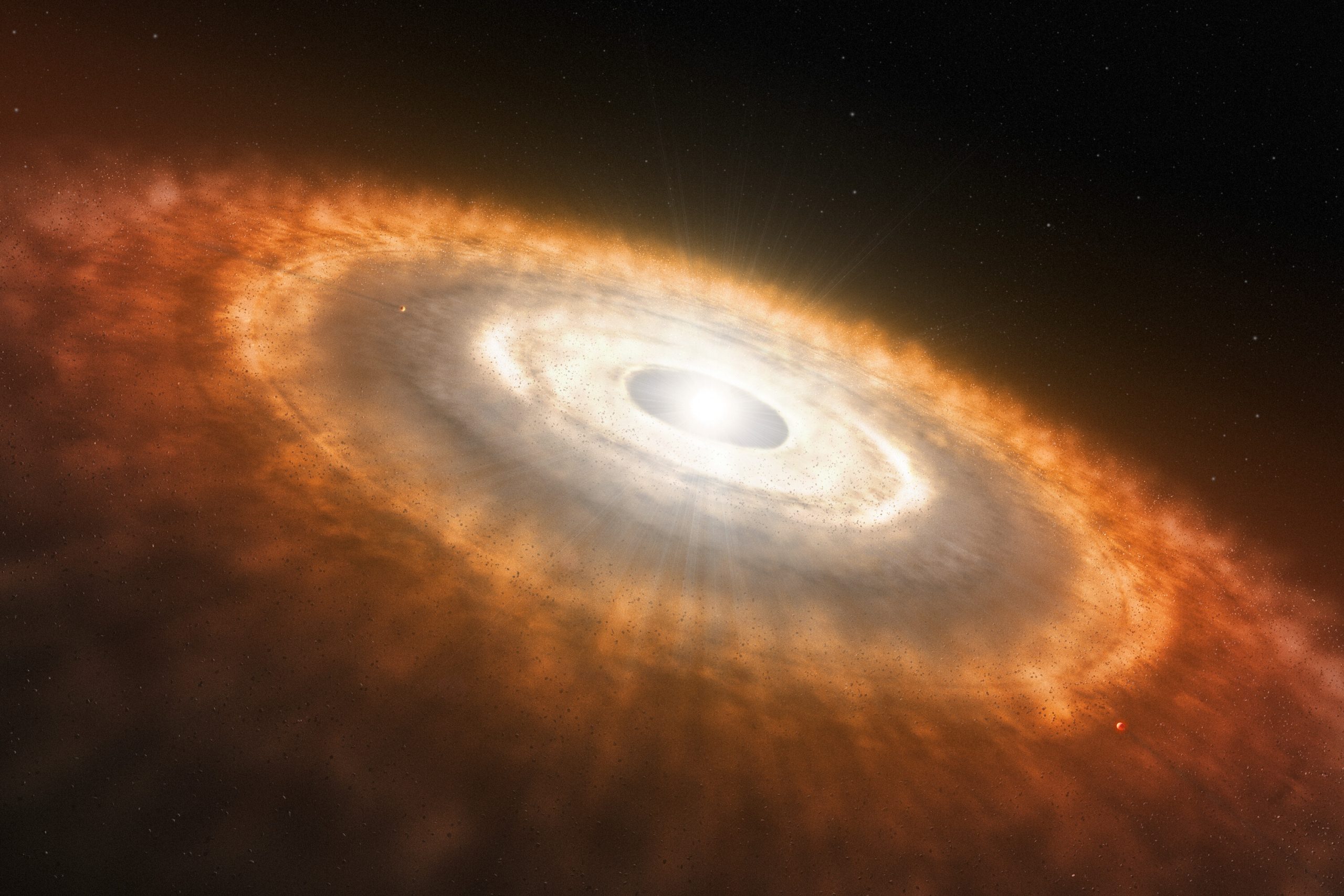
The team studies the importance of chemical processing of interstellar organic matter within protoplanetary disks during their formation and evolution.
Tracing Life and Identifying Habitable Environments
To pave the way for optimal interpretation of (near)-future findings, the team will aim to identify a common nomenclature by establishing a classification of tracers related to habitability and life.